
Curation^2 Newsletter #73
Decoding modern China, remixing the world



Curation² is a China-focused newsletter that curates the textures of contemporary China, the cultural undercurrents, subcultures, tech shifts, aesthetics, and quiet social changes that rarely make it into policy-heavy newsletters.
Each issue is a hand-picked set of stories, artifacts, and ideas drawn from China’s current cultural metabolism. Think of it as a cultural seismograph, a way to feel the tremors early, before they become headlines.
It’s China, but double-exposed: one layer reporting, one layer interpretation. That’s the “².”
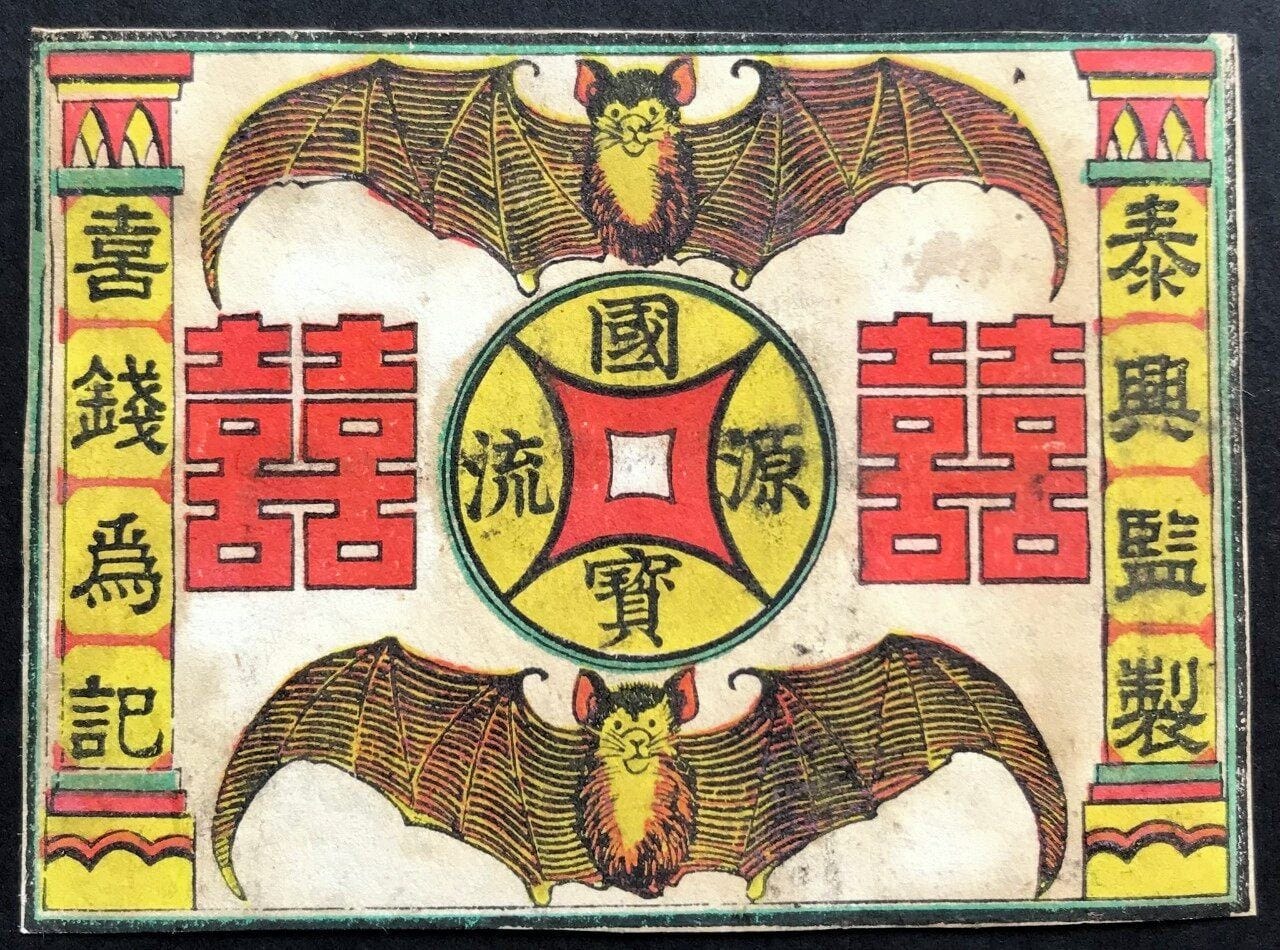
Long before TikTok learned your every craving, China had a quieter, smokier targeting system: the matchbox. RADII’s stroll through these “pocket-sized billboards” reveals how a throwaway object doubled as a national mood ring. Early 1900s boxes were plain industrial ID tags; by mid-century they’d become tiny propaganda tablets—Mao portraits, socialist slogans, heroic workers—bold enough to catch your eye in a single flick. Others documented ordinary pleasures: mahjong, street markets, pastoral scenes. By the 1980s, the designs shifted again, mirroring China’s first consumerist shimmer while keeping the old folk aesthetics intact. Today they’re cult collectibles, little rectangles of lacquered memory, evidence that mass communication once lived not in feeds but in your pocket, disguised as fire starters.
Inside & Out:
Anxiety - The Diagnosis We Give Ourselves When Everything Else Feels Undiagnosable

Red Note has become China’s mood ring, and Ivy Yang’s inaugural Red Note Signals piece reads it like a cultural EKG. The platform’s newest fixation is self-diagnosed ADHD. No, it’s not really about medical precision but rather searching for a coping language that may help a generation that feels overclocked, under-anchored, and increasingly pressed into the smallest possible psychological spaces. MBTI, attachment styles, avoidant personalities: each wave has been a way of making sense of the collective unease. But this one feels a little different. As the economy grinds, ambitions stall, and our speech narrows, this diagnosis becomes something of a metaphor: if you can’t change the external world, you need to start rearranging your internal one. Ivy situates this trend inside China’s wider emotional architecture (part Jonathan Haidt, part East Asian family dynamics, part digital-era self-survival) and asks the question beneath all the labels: what happens when coping becomes identity?
Food History - How Two Women Quietly Rewired America’s Taste Buds
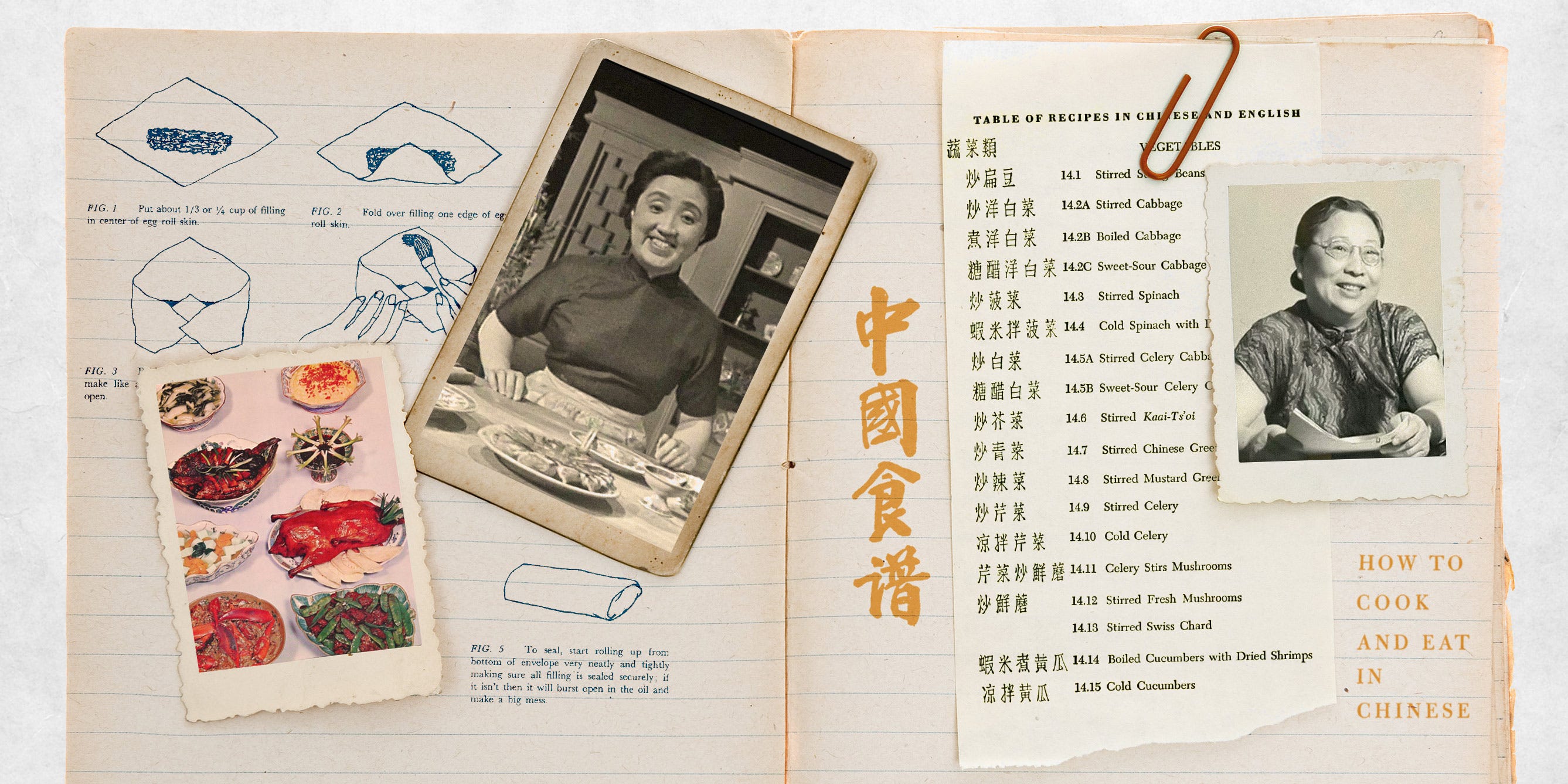
Most don’t realize that the language of Chinese cooking (think stir-fry, dim sum, potsticker) was invented not in a Beijing kitchen, but at a dining table in wartime Massachusetts. In the mid-20th century, two Chinese women, Yang Buwei and Joyce Chen, performed a kind of cultural alchemy by translating an entire culinary worldview.
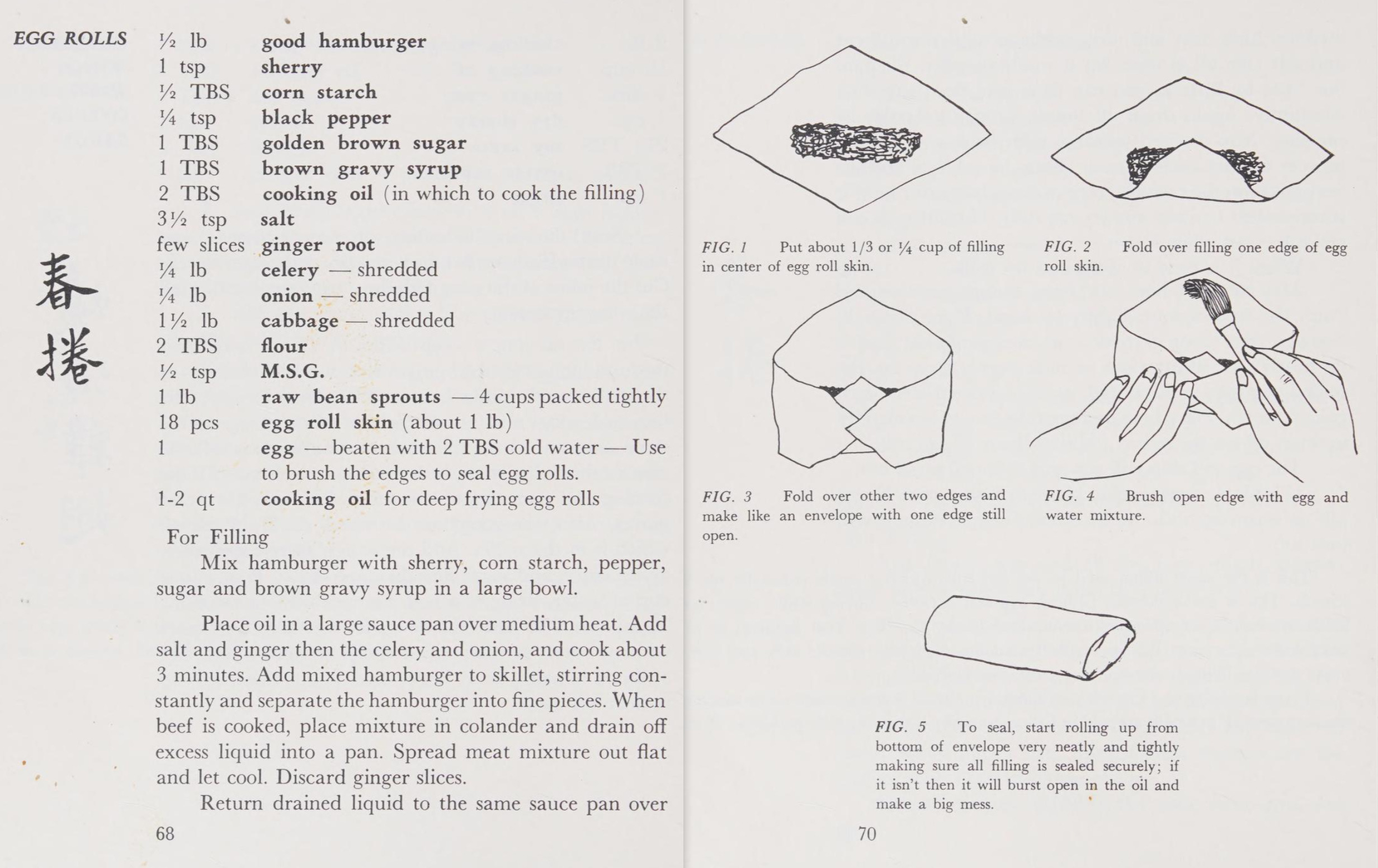
Yang, working alongside her linguist husband Zhao Yuanren, turned the intuitive poetics of Chinese cooking into crisp English prose, smuggling philosophy into measurement. Joyce Chen, the so-called “Chinese Julia Child,” went further, teaching America how northern flavors should feel, from red-cooked pork to hot-and-sour soup, all while inventing the flat-bottomed wok and running a TV show decades before representation was a buzzword.
Together, they reframed Chinese food from “exotic takeout” to a shared vocabulary. This is a case study in how cultural translation is really an act of intellectual courage.
Two Poems by Anthony Tao - When the Dancefloor Becomes a Security Threat
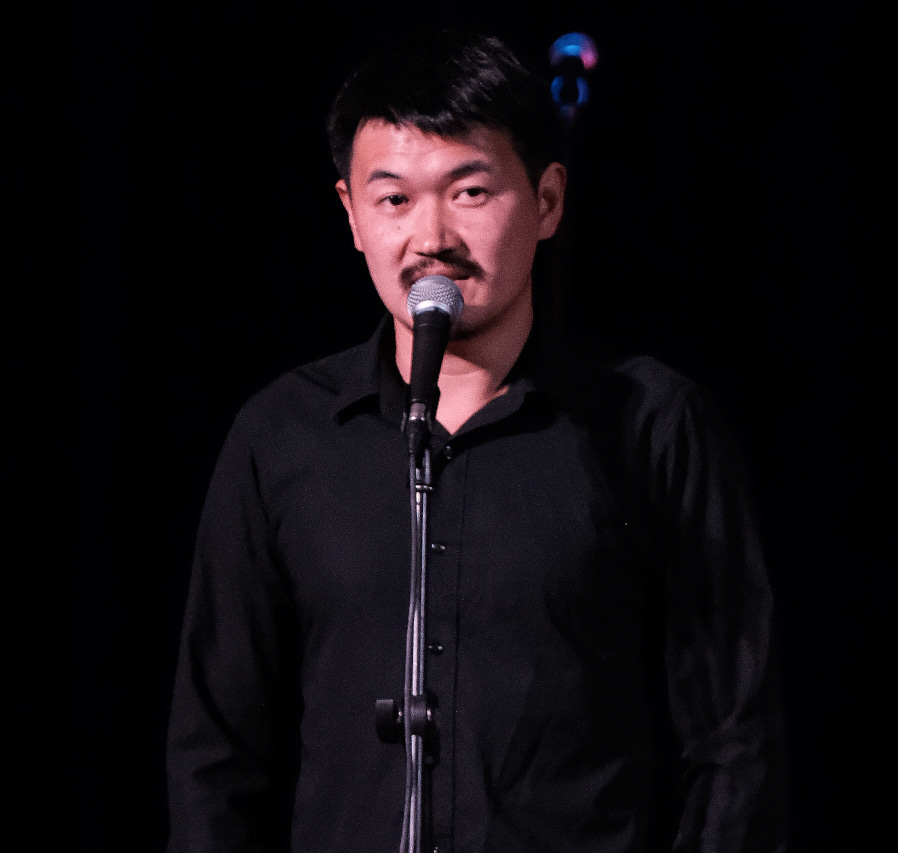
Anthony Tao’s paired poems capture the surreal paranoia of Beijing’s music scene in 2025 with the kind of granular observation that only comes from living through these cycles of crackdown and release. As someone who also spent years in Beijing watching similar waves of enforcement, where you never know where the line is until a cop tells you you’re standing on it, Tao nails the specific texture of this moment. Foreign musicians detained for visa violations while the Ministry of Tourism begs foreigners to visit; immigration cops combing through WeChat flyers to identify performers; a venue owner jailed for slinging drinks at his own bar. The poems cut deep in the way Tao simply documents the absurdity, like a packed club screaming Taylor Swift while cops hunt musicians through social media, and asks why we can’t say out loud that friends were detained for playing music and how much that sucks.
In Other News:
Globalization - When Nuevo Polanco Started Tasting Like Chengdu
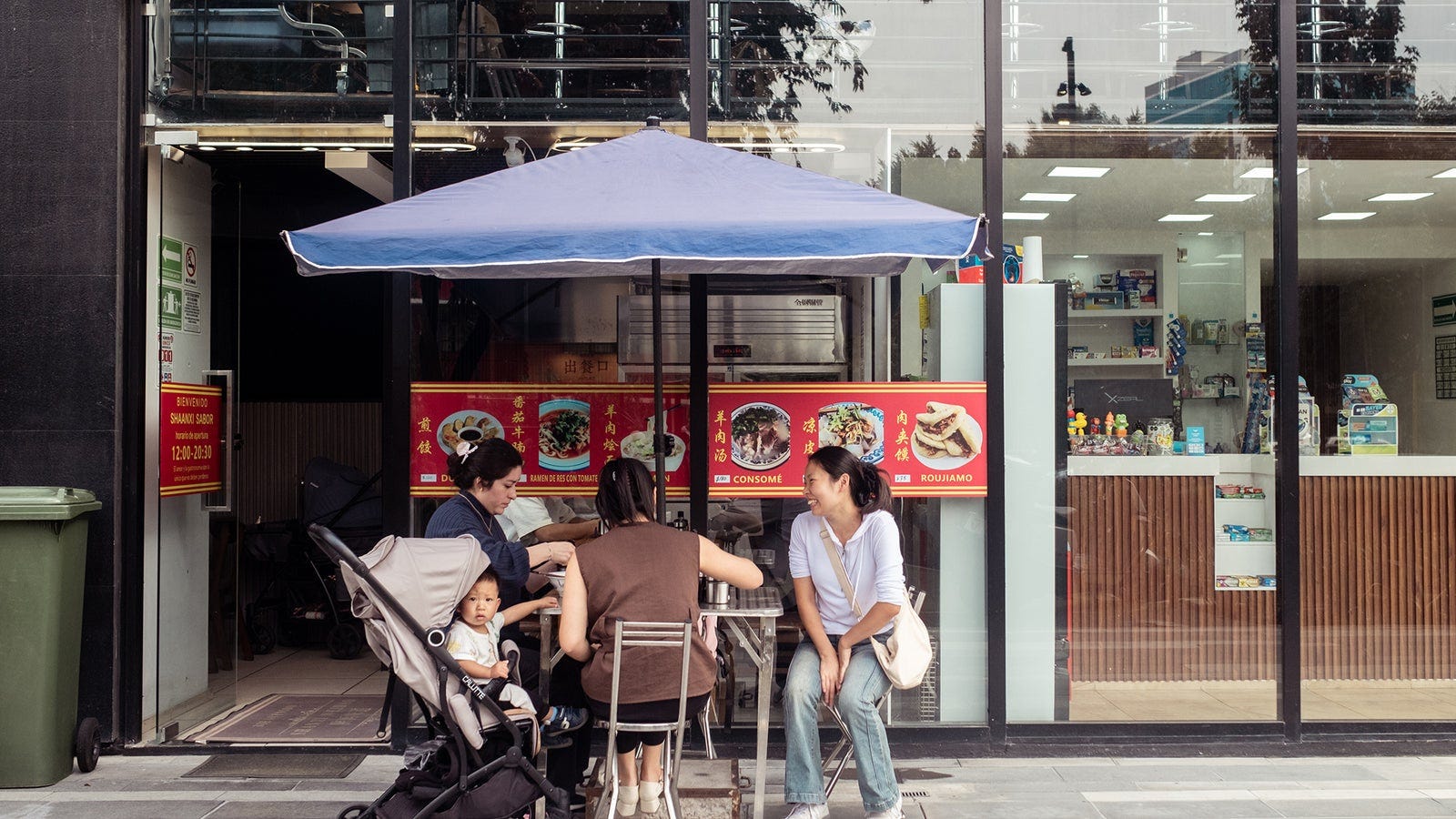
Chinese tech money lands in a luxury district of Mexico City, and suddenly the neighborhood smells like biangbiang noodles, LZ beef broth, and Cantonese roast ducks hung proudly in the window. What began with Huawei and Plaza Carso has spiraled into a micro-ecosystem of TikTok engineers, BYD executives, Sichuan cooks, and family-run Beijing eateries—all orbiting the same few blocks of “Nuevo Polanco Modernity.”
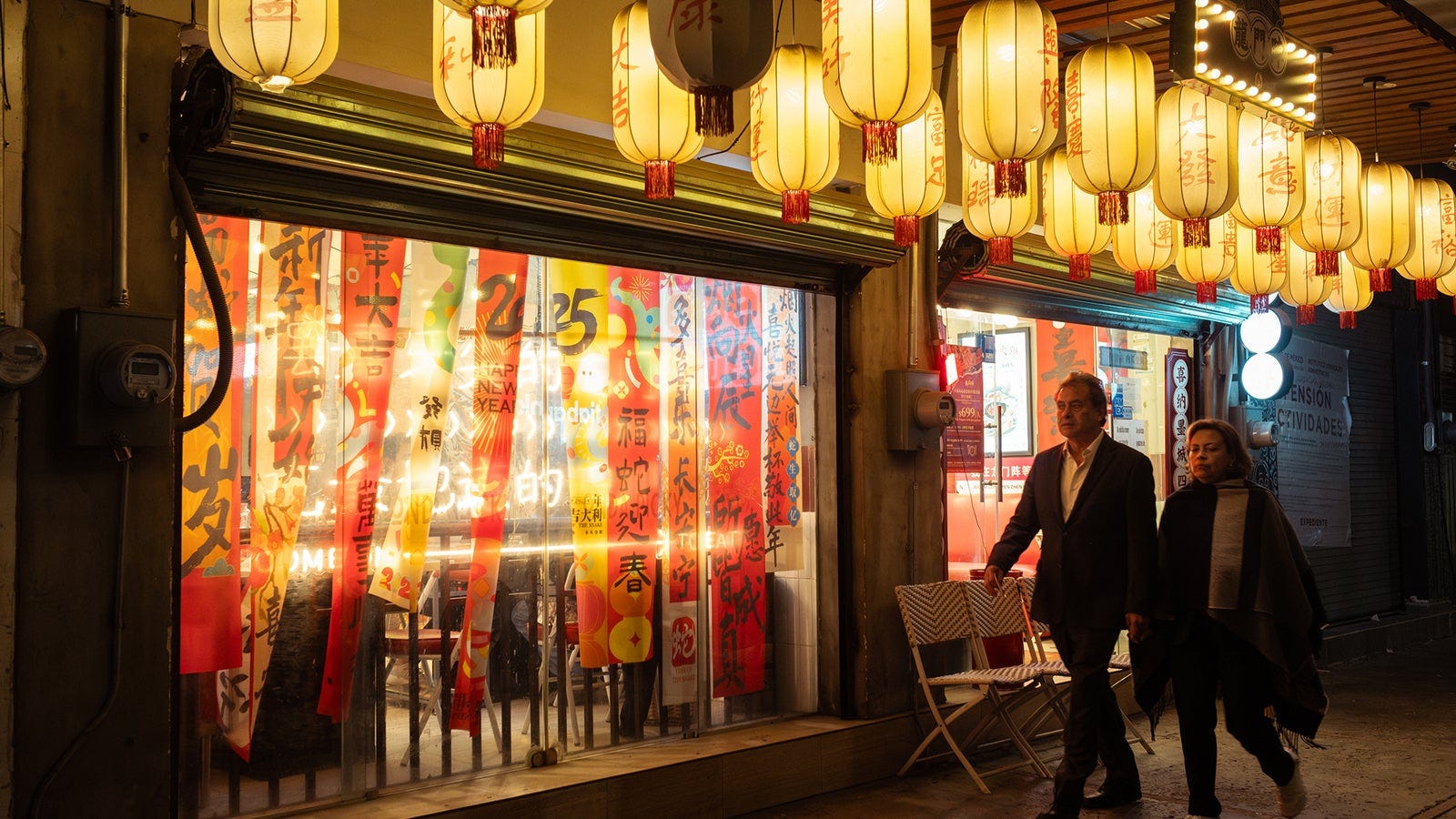
The result is a curious cultural inversion: a posh Mexican enclave remade by tech migrants whose cravings pull supermarkets, malatang stalls, and Peking duck roasters in their wake. It’s migration not as mass movement, but as palate, gradually shifting a city’s flavor profile one corkscrew chili at a time.
Gender Relations - What We Talk About When We Talk About Love in China
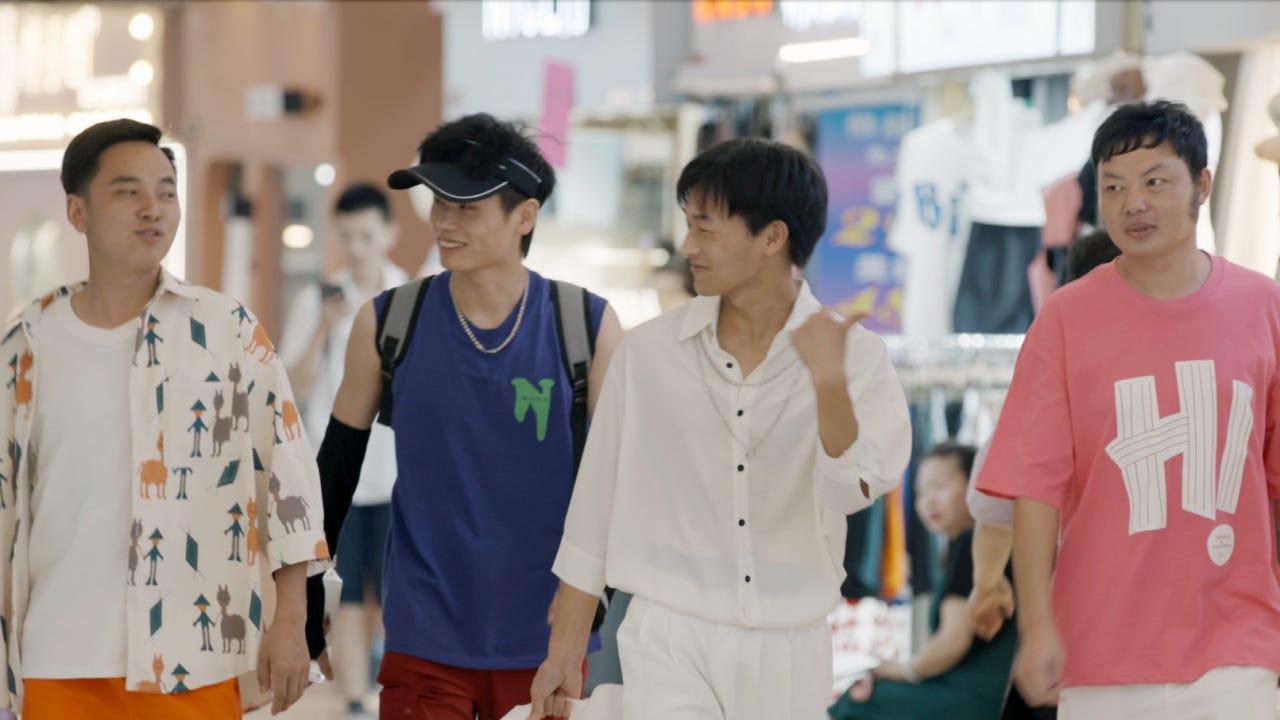
China’s dating landscape has become like a strange fable on modernity: too many men, too few women, and an emotional terrain reshaped by markets, migration, and machines. In The Dating Game, Violet Du Feng follows a group of earnest, working-class bachelors through a “dating boot camp” in Chongqing—a stage where gender imbalance, childhood abandonment, and digital alienation collide. What makes the film gripping isn’t the pursuit of romance but the search for selfhood. These men—raised as “left-behind children,” socialized almost entirely among boys, and now competing not just with scarcity but with AI boyfriends—carry a kind of generational ache. And Violet treats them with rare tenderness.
Her conversations with Jeremy Goldkorn, in this interview, unravel something deeper: how capitalism and patriarchy braid into a new kind of masculine precarity, one mirrored (uncannily) by Western incel culture yet shaped by China’s particular history.
Weekly Recs:
Susan’s Read of the Week - Hong Kong’s “Century Fire”: When Efficiency Becomes Catastrophe

Flames racing up the bamboo-clad towers of Wang Fuk Court have claimed dozens of lives in Hong Kong’s worst blaze in decades. JingYu’s urgent analysis reveals how routine refurbishment of this 4,000-resident estate created a deadly “combustible cocoon” – scaffolding and netting that turned into a fire highway across eight towers. Beyond the horrifying visuals, this piece offers a nuanced, locally grounded examination of how Hong Kong’s efficiency-first approach to maintaining aging high-rises concentrated risk across an entire community.
Read for: A humane, technically precise perspective on systemic failure in a city where density magnifies every tragedy.
Retro Read - The Spirit of the Chinese People by Gu Hongming
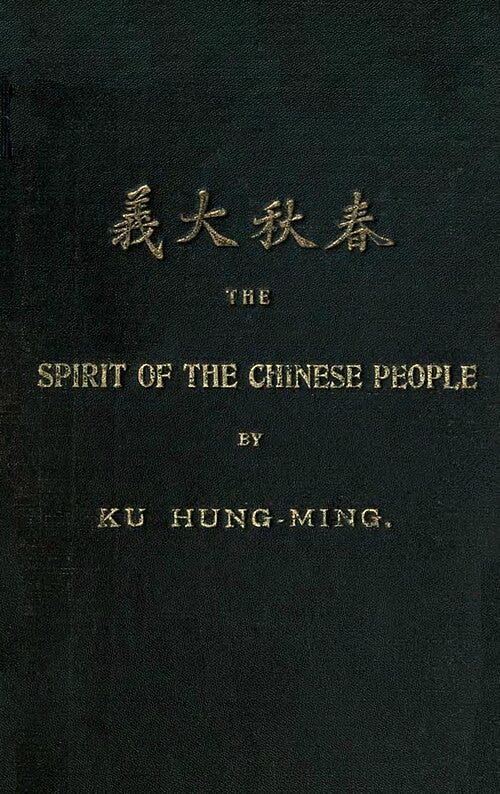
First published over a century ago, Gu Hongming’s The Spirit of the Chinese People is one of the strangest, yet sharpest cultural bridges ever written. It is a defense of Chinese civilization delivered in elegant English by a Qing loyalist fluent in twelve languages and fiercely allergic to Western condescension.
Gu argues that to understand China you must be willing to shed the usual orientalist gaze and inhabit four traits he sees as core to Chinese life: depth, greatness, simplicity, and emotional sensitivity. His essays are provocative, sometimes anachronistic, but very much alive and represent an early attempt to articulate a Chinese intellectual grammar on its own terms rather than as the West’s shadow or foil.
Reading Gu today is certainly not about trying to agree with him; it’s about tracing an early blueprint of cultural self-definition, a reminder that Chinese modernity didn’t begin only as imitation. For anyone curious about the philosophical bloodstream behind Confucian ethics, everyday social intuition, or the quiet architecture of Chinese thinking, this slim volume is still unexpectedly electric.
Weekly Shenanigans
Culinary Clash - A Short History of Great Chefs Getting Schooled in Shanghai
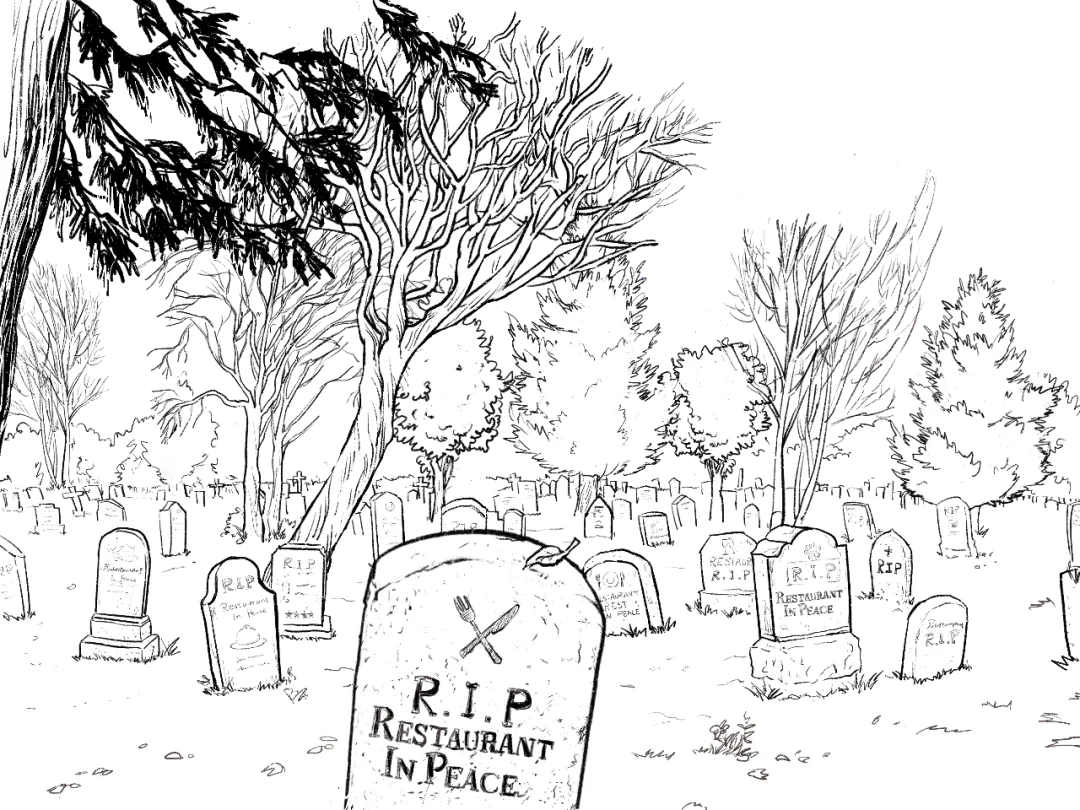
Shanghai has a habit of humbling visiting culinary royalty. Christopher St. Cavish’s tally feels almost like an anthropological record of ambition meeting the physics of the city: the rent, the churn, the Bund landlords, the customers who can spot a cash-grab from three blocks away. From Alan Wong’s ill-fated Hawaiian gamble to Alvin Leung’s Bund-era bravado, to the Michelin gods who parachuted in and immediately tripped over their own reputations, the city has seen more “grand openings” than sustained legacies. And yet, the survivors—Jean-Georges, Le Bec, Romito—tell a different story: Shanghai rewards not fame, but fluency. The chefs who thrive aren’t the ones importing perfection; they’re the ones who bother to learn the city’s rhythms before serving it dinner.
Curation^2 is powered by The C^2 Collective, the only multi-cultural, co-ed, service fraternity based in Mainland China. If you’re interested in joining our community, learn more here.